


Recognized at the very first Webby Awards in 1997, PBS quickly established itself as a digital pioneer, introducing protected spaces for kids and interactive learning long before they became industry norms.
Beloved series like “Sesame Street” and “Arthur” helped shape the early digital classroom. PBS Digital Studios expanded the mission to YouTube in 2012, where its educational channels now reach millions of subscribers. Honored as one of the 30 Most Iconic Companies in 2025 and named the 2024 Webby Media Company of the Year, PBS continues to show that trusted storytelling thrives online and elevates the entire Internet.
In this edition of our In Conversation series with the 30 Most Iconic Companies, our team interviewed Ira Rubenstein, Chief Marketing Officer of PBS. Read on to explore how the nation’s leading public media organization keeps innovating to educate audiences of all ages.
PBS Team at The Webby Awards

PBS at the 22nd Annual Webby Awards

Penguin Random House & PBS KIDS at the 23rd Annual Webby Awards

NIta Mandar, PBS KIDS Games at the 27th Annual Webby Awards

M. Akram Shibly, Kevin Dingelstedt, Marissa Pina and Lucky Nguyen from PBS at the 28th Annual Webby Awards

Amy Wigler from PBS Digital Studios at the 28th Webby Awards
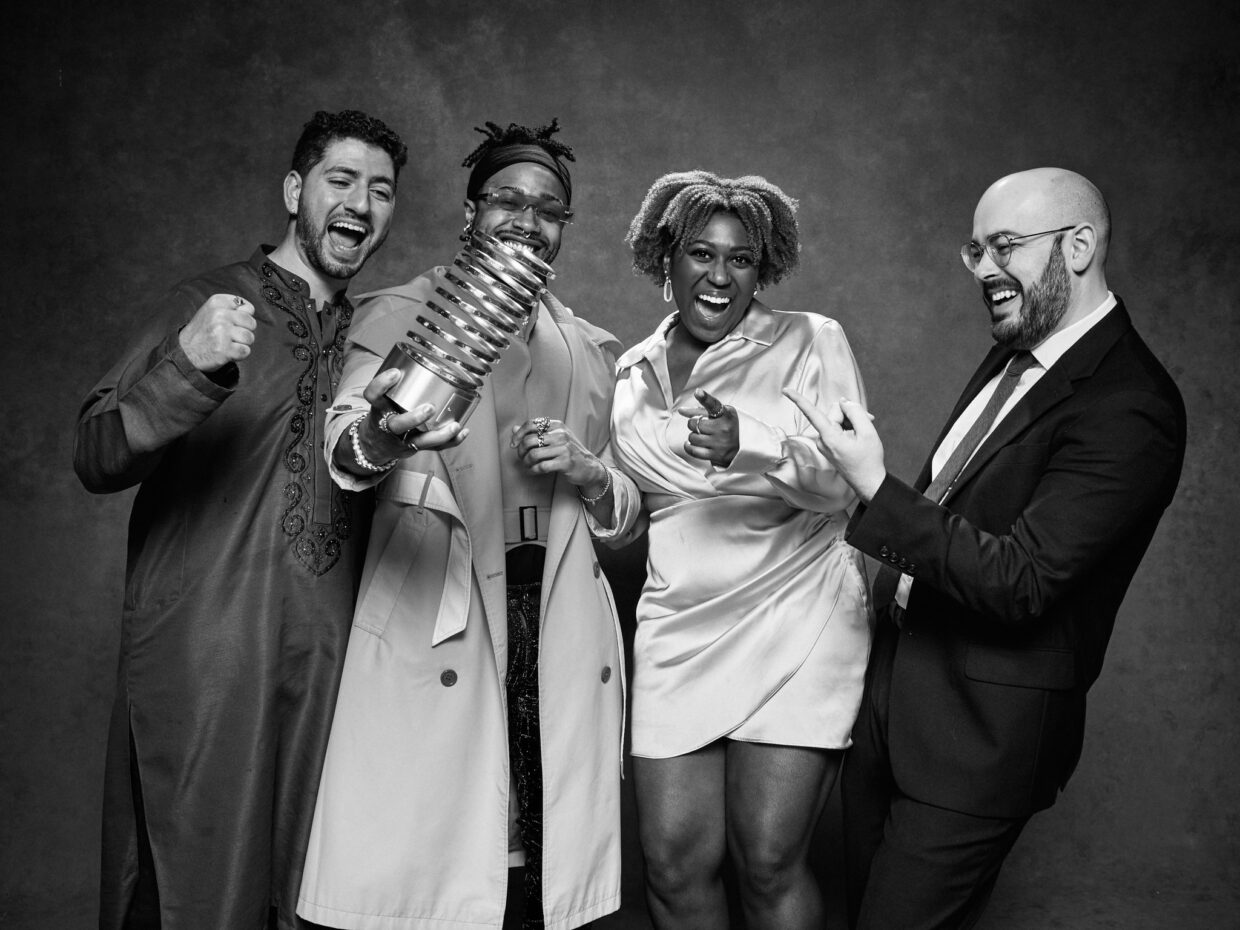
Devin Norelle, M. Akram John Campbell and Jordon Jones from PBS at the 28th Webby Awards
The Webby Awards: When did you realize the Internet was going to fundamentally change how the world works? Over the years, how has it changed the way you work or create and how has it impacted PBS?
Ira Rubenstein: I was fortunate to be on the “Internet” early on as a kid in Minnesota. My neighbors had the Plato/Control Data system, which was a dial-up system. I don’t think I fully connected what it could become until my first job at 20th Century Fox. I was looking at AOL, CompuServe, and Prodigy and figuring out how to bring movie materials to those platforms. That’s when I realized this is where people are starting to get information and, as a movie marketer, how I could use that.
It really clicked when the first web browser came out. My father was at the University of Minnesota and told me his students were going to be on this, and we were always marketing to college students. I’d see fish tanks on the Internet and thought, “Can I make a movie website?”
We realized we could put trailers online. It took 20–30 minutes to download, but that was the aha moment: here’s one of our great assets, and I can get it out this way. Something I’d played around with as a kid could actually be a career.
The Webby Awards: That was the mid-90s?
Ira Rubenstein: Yes, mid-90s. At Fox, I worked on the websites for “Power Rangers” and “Die Hard with a Vengeance.” Then I went to Sony Pictures and launched their first websites, like “Johnny Mnemonic.”
Webby-Winning PBS Projects Since 1997
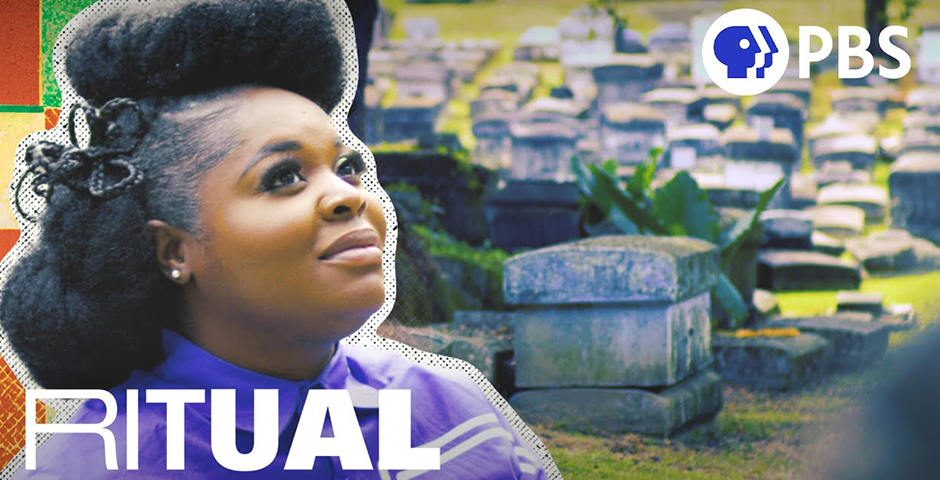
Ritual - PBS Digital Studios (2024 People's Voice Winner)
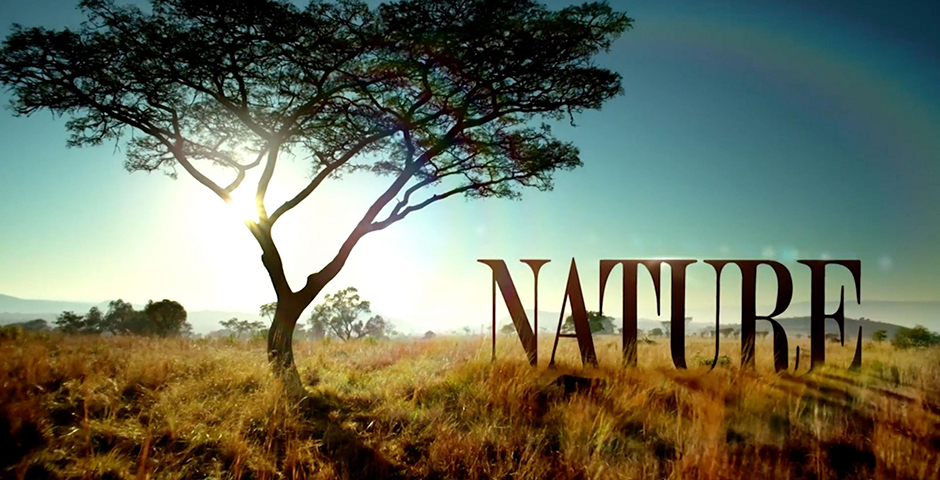
Nature - PBS Digital Studios (2022 People's Voice Winner)
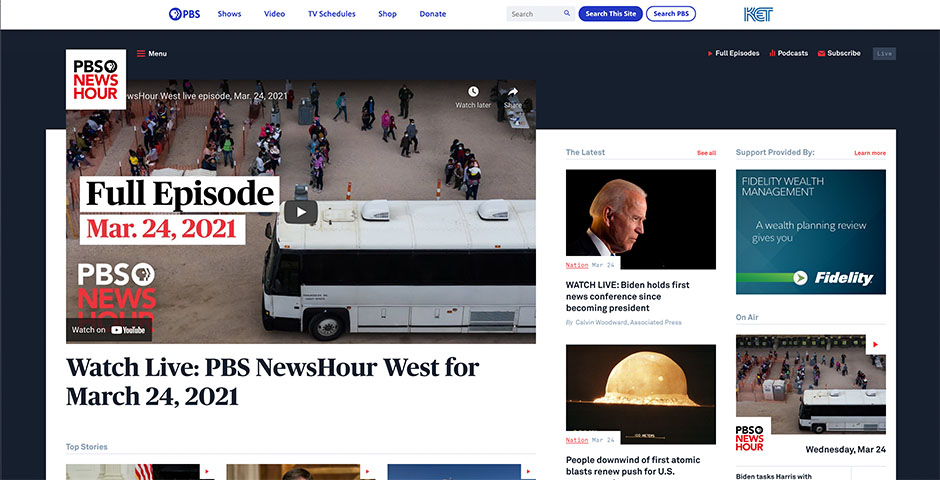
PBS NewsHour (2021 People's Voice Winner)

PBS KIDS (2x 2020 People's Voice Winner)

FRONTLINE PBS (2018 People's Voice Winner)
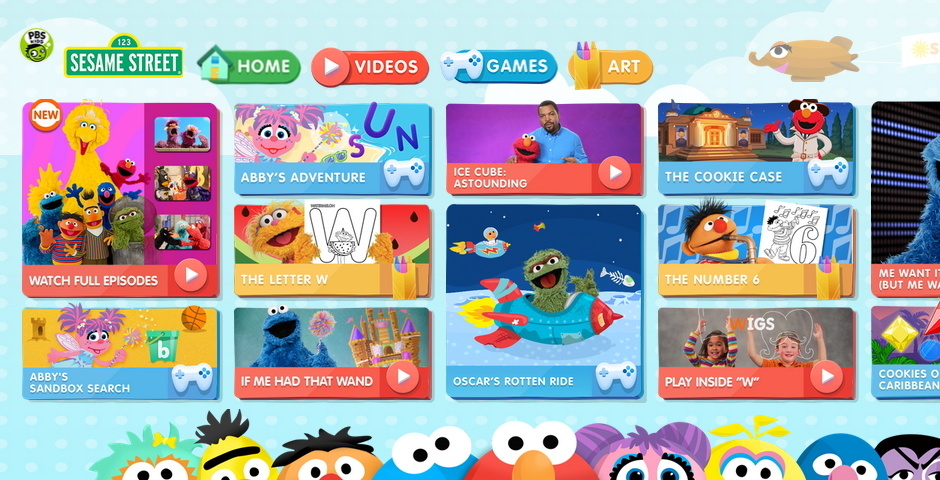
Sesame Street – PBS Kids (Nominated 2015)

PBS Online (Nominated 1997)
The Webby Awards: PBS was one of the earliest Webby Winners. Across these eras of the Internet, the team has consistently stepped into each new medium with the same spirit. How do you evolve your digital strategy as the technology changes so quickly?
Ira Rubenstein: PBS has always been very innovative. We were behind closed captions on TV. When it came to the early Internet, that same spirit of innovation carried through. People followed the philosophy of Mister Rogers, who took the new technology of television and asked how to use it to help children. That philosophy translated to the Internet and the early PBS Kids websites. My children are older now, but I remember going to the PBS Kids site with my child on my lap. Today, I’m still a PBS Kids consumer on a weekly basis.
Our guiding principles really come from our mission: to educate and entertain viewers. In the digital age, we want to get news, public affairs content, and all our content to reach as many people as we can. That mission gives us flexibility to try many things. We were early on YouTube with “NewsHour” and “Frontline,” which are now some of our largest audiences. For our member stations, we build solutions at scale, because stations come in all shapes and sizes and each can’t build its own digital infrastructure. Our apps are built for hyper-localization. The local station’s branding and content are integrated, and technology becomes a way to distribute local content.
The Webby Awards: Does that mission help you jump into new spaces earlier? Since you’re trying to reach and educate as many people as possible, are you less constrained? Does the public nature of PBS help you experiment and move quickly?
Ira Rubenstein: In some ways, it does, and in some ways, it’s challenging. Our resources are constrained, so we have to be innovative and experimental about getting content out and helping stations with both distribution and fundraising. Being a membership organization can be difficult, but it also pushes us to be resourceful and flexible.
“ I tell the story of a grandmother in Mississippi who called her local station to thank them… She said, ‘You saved a life.’ In my career, no one had ever told me I saved a life by launching a film or TV show.”
The Webby Awards: Is there a decision PBS made that others thought was risky at the time but that has proven transformative?
Ira Rubenstein: Launching the PBS Kids 24/7 channel was one of those decisions. Before that, kids’ programming was mostly in the mornings. Some people were concerned about dedicating a multicast broadcast channel to kids’ content 24 hours a day, seven days a week. But we paired that with live streaming of the channel, which turned out to be a major asset. The impact has been tremendous. I tell the story of a grandmother in Mississippi who called her local station to thank them. She looked after her grandchildren in the evenings while her daughter worked a second job, and there had been nothing good for them to watch. Because of the PBS Kids channel, she now had something meaningful and safe for them. She said, “You saved a life.” In my career, no one had ever told me I saved a life by launching a film or TV show.
The Webby Awards: Looking forward, what role do you see PBS playing in shaping the Internet over the next 30 years? Is there anything you’re particularly excited about when you think about the future?
Ira Rubenstein: We’re entering an AI era with a lot of AI-generated video, and there’s a big question around trust. That’s where public media can play a major role. Because we’re public media, funded through direct donations rather than the government, we have strict editorial standards and full transparency. PBS is still the most trusted media brand in the world, and we need to lean into that as we head into this AI-driven, short-form video world. Our goal is to get information to the public so they can consume it and know it’s trustworthy. We often say that if we only cared about ratings, PBS would be a British drama channel. That’s not who we are.
“ We’re the biggest secret in digital. ”
The Webby Awards: What does being recognized as one of the 30 Most Iconic Companies in Internet history mean to you and to PBS’s legacy? Do you have any Webby memories you can share?
Ira Rubenstein: For public media and PBS, this is a tremendous recognition of work we’ve been quietly doing in the background for 30 years. I often say we’re the biggest secret in digital. We’re streaming 400–500 million streams a month, with millions of viewers and millions of streams on YouTube. This recognition acknowledges the sheer amount of work across the system: local stations, PBS Digital Studios, PBS Kids, and our strands. It’s a way of saying, “We are still here, we’re not going away, and we’re looking forward to the next 30 years,” continuing to innovate in the digital space to serve the American public.
My earliest Webby memories go back to the late ’90s, when the awards were still very website-centric and connected to a printed magazine that highlighted the best sites. Seeing how the Webby Awards have evolved alongside the Internet has been fascinating, and it’s an honor for PBS to be recognized as part of that history.
The Webby Awards: How can the Webby community support PBS right now, especially in this moment?
Ira Rubenstein: We already have a lot of support and we’re very grateful for it. People understand that we’re different, and digital platforms know they have to work with us a little differently, which we appreciate. For the Webby community, supporting your local station matters, now more than ever. When people ask, “Why can’t a billionaire just come in and fund it?” That’s not what public media is about. When billionaires buy media or newspapers, there’s always a sense that their thumb is on the scale. We never want that. Public media is from the public and supported by the public viewers like you. So support your local station financially or with your time.
“ The impact PBS has had on this country is profound. If you pick people at random, maybe at the Webby Awards and ask them which PBS show changed their worldview, most will have an answer.”
The Webby Awards: You’ve also talked about PBS as a “window to the world.”
Ira Rubenstein: That’s my favorite part of working at PBS. When we did Television Critics Association events, our talent would go on stage and talk about how PBS was their window to the world—from an astronaut in the Midwest discovering space through PBS, to Lin-Manuel Miranda enjoying Broadway through “Great Performances.” The impact PBS has had on this country is profound. If you pick people at random, maybe at The Webby Awards and ask them which PBS show changed their worldview, most will have an answer. That’s the power of public media.
The Webby Awards: Finally, how do you think about this current AI era compared to the early Internet?
Ira Rubenstein: In many ways, it reminds me of the 1990s: there’s huge excitement and a sense of possibility, but also a lot of hype. Back then, companies put “e-” or “i-” in front of their names to sound digital; now everything is “.ai.” One big difference is that, in the early Internet, many companies didn’t have business models. Today, some AI companies do, and others are still figuring them out. The hype is real, but as we saw after the Internet bubble burst, what remains can be very real and transformative. The promise that “this will change how we do things” was true; the path was just non-linear.
AI feels similar: it will change how we work and create. The big difference is that AI is much more top-down—it requires massive resources, servers, and chips, so large institutions are driving it. That’s different from the more distributed, outsider-driven feel of the early web. That’s another reason why public media, with clear standards and transparency, matters so much in this moment.
One Week Left in the Final Entry Deadline
If you’re shaping the future of the Internet, honoring your work on the industry’s biggest stage can bring growth. 85% of people recognized by The Webby Awards say it advanced their professional career. Enter the 30th Annual Webby Awards by the Final Entry Deadline on Friday, Dec. 19!
 Twitter