
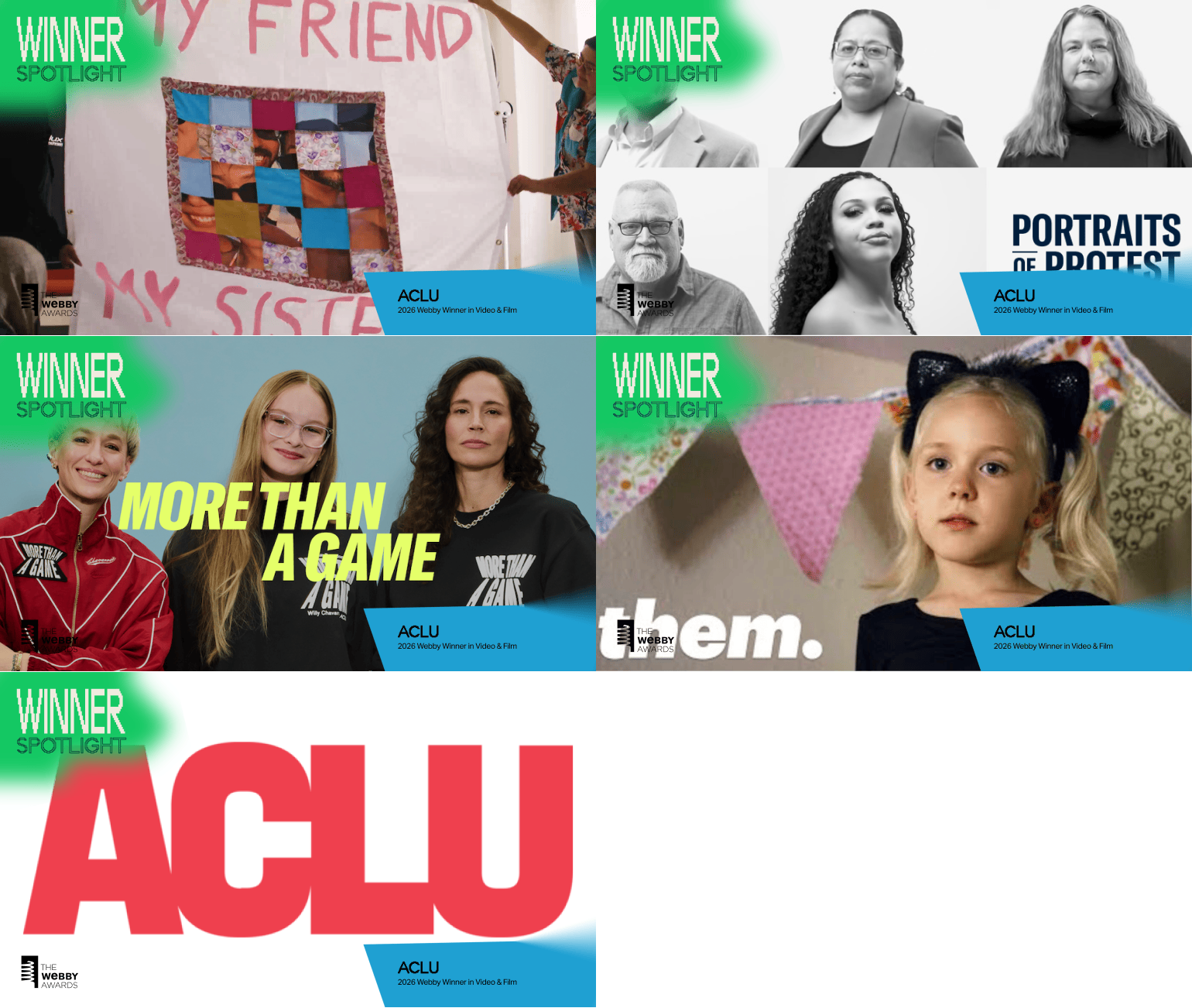


What does it mean to put the “good” in “feel-good”? Since their first recognition in 2014, the ACLU (the American Civil Liberties Union), has scooped up four wins, four nominations, and four honors with the Webby Awards. The organization boasts a more-than 100 year history of providing a voice to a range of social issues, and a masterclass in adapting to and leveraging shifting culture, tech, and platforms without compromising the central mission.
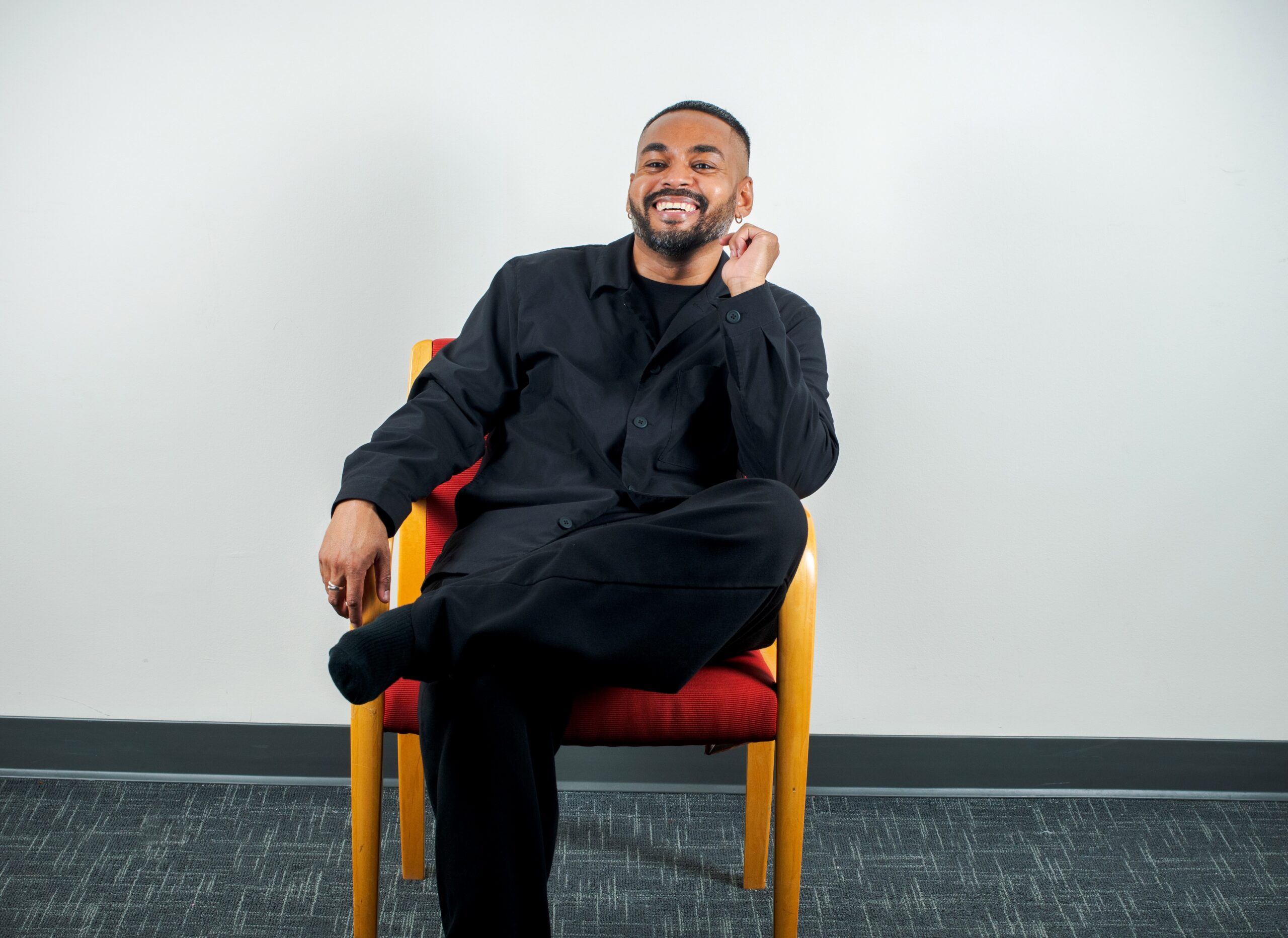
We spoke with Abdool Corlette, the ACLU’s Head of Brand, on how a Webby win goes beyond the big show— it shows up in how his team stays motivated as advocates in a changing world. Read on for heartwarming stories from behind the scenes, advice for those considering entering their first Webbys, and how one win can make a difference.
What’s the story behind your Webby win that people haven’t heard?
Okay, this is probably my favorite BTS. So the first campaign I led for the ACLU that won a Webby was called Freedom to Be. My work is creating storytelling campaigns around the Supreme Court cases that we argue at the ACLU, and this one was around a gender-affirming care case. It was a 360 campaign, so it had video, it had events, and it led to this massive art installation on the National Mall.
So the day of the installation, which covered about, three city blocks of quilts made by trans folks all across the country from 35 states, literally out of nowhere, this tempest blew in. All the quilts, like, everything— I was watching a year’s worth of work just like, blow away.
And I was like, “You know what? Just get to safety.” When we came out, all of the quilts were still intact, and a massive double rainbow formed on the National Mall. If [that was] not a metaphor for this campaign and this project, like, through every storm, the story weathers the storm, and people hold onto the joy and the beauty of what the core message was. It was just such a nice reminder that sometimes you call and you’ll get a response not always in the way that you imagine. It was definitely my favorite BTS moment, and that was the end of our first campaign at the ACLU, and it won my first Webby there!
Looking back at your Webby-winning work, what’s the decision you think made the biggest difference?
I always like to start at the very end— like, how do I want people to feel when they watch the piece, experience, event or whatever it may be, and work backwards from there. So no matter if we get edits, things change with budget, timeline changes, we still keep it anchored in that north star.
And I feel like that approach allows every project, particularly the ones that have won a Webby, to be grounded in humanity and rooted in the stories that really feel personal. Once you keep everything human-centric and that north star in mind, it’s really helped the team and myself keep our projects rooted in humanity and what is real.
What did winning a Webby mean to you and to your team?
So working at the ACLU, we are literally the definition of “you win some, you lose some.”
And it’s not just about losing and winning in a black and white sense. Sometimes how you lose is really important and there’s a lot of valuable lessons. You know, we are in a tough news cycle, and so we put a lot of work into these campaigns and initiatives to really advance social justice, and sometimes you just don’t win.
And it can be devastating because we know the human toll of what a loss in the courts could mean. So there have been moments where when we really needed a glimmer—that’s what I call the opposite of a red flag. The Webbys have come in and recognized the work that we really wanted to be appreciated, seen and valued for the importance of the storytelling quality. And I think that gave the team a necessary boost in some really tough times for storytellers.
It meant a lot for us to constantly have these stories recognized and for the Webbys to see the value in what we were hoping to do and the stories we were hoping to tell.
What did you take a chance on that paid off?
I try to keep a boundary between the work I create, the campaigns I create, and my personal life. But I had this really amazing opportunity— this year I had the chance of leading the ACLU’s Birthright Citizenship campaign, where we partnered with Bruce Springsteen to take Born in the USA and really tell the story of what it means to be born in America and to be an American. And as I was writing the pitch, I felt compelled to include my family’s immigration story and my American story in there.
And the first scene that came to mind was when we first moved here, my mom worked in a restaurant. And so my siblings and I would go do our homework and just sit at one of the tables so that we could have dinner as she was working. And I was like, “You know what? Let me write that in here.” And there was the moment on set where we were shooting that scene in LA, and I had to step away because it was a full circle moment for me.
It was the first time I kind of put myself into the work, and I felt incredibly proud of that moment. It felt like I still respected and honored my boundary, but it allowed me to tell the truth in my work in a way that connected to very specific individuals. And what was especially amazing was the the family that we cast in that scene told us their parents owned a restaurant, [and] they would go do their homework there.
It was just affirming that when we tell the truth and when we share parts of ourselves, there are others that will respond, like a call and response. And that was one of those moments, like magic moments, that affirmed a lot of my values as a storyteller, and I’m really proud of including that.
View this post on Instagram
What would you tell someone wondering whether their work is ready for recognition?
Oh my God, do it. Literally creating is a sport, like love is a sport— anything in our life I treat it like a sport. Like, it requires showing up, building the muscle, practice, trial and error, and so much happens when you, like fail. I think when you go into something wanting to just do it for an award, you will never win even if you get the trophy. But I do think that if you go into it looking at it like practice, so for when you really come across that special project, you are ready for it, you are ready to tell it.
And I think that even if you feel like you might not have the best camera, but you are telling the best story, put it out there and let others be the judge of that. I think it’s important to let your work belong to others. It changes it and it allows you to see it from a different point of view— if you’re creating, you should be sharing. So I do think it’s super important for folks who are even thinking about it, to just submit!
Early Entry Deadline is October 30
Submit your projects by the Early Entry Deadline on Friday, October 30 to secure the best pricing of the season. Explore our categories, including honors recognizing social impact work in Video & Film; Creators; Apps, Software & Immersive; Podcasts and more.
 Twitter